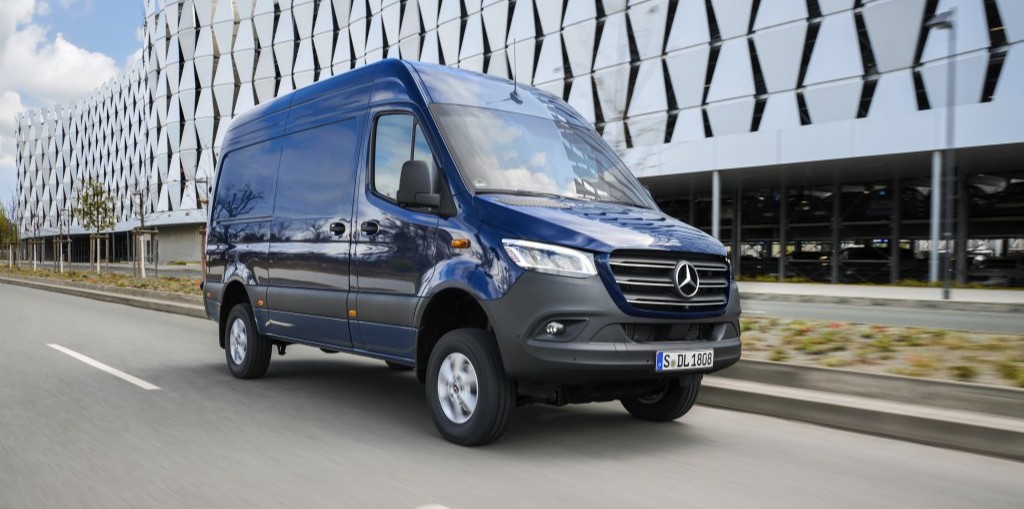
Section 179 lets a business deduct some or all of the cost of a qualifying vehicle in the year it goes into service, instead of spreading that cost over several years. For Denver-area businesses shopping for a Sprinter van or a larger Mercedes-Benz SUV, that can lower the tax bill for the year you buy. Here's who qualifies, what this year's limits are, and which of our vans and SUVs fit.
Section 179 applies when all of the following are true for the tax year you claim it:
Weight matters too. Vehicles with a gross vehicle weight rating (GVWR) over 6,000 lbs aren't held to the much lower first-year depreciation limits that apply to passenger cars. That's why Sprinter vans and larger SUVs are the vehicles most businesses look at for Section 179.

| Limit | Amount |
|---|---|
| Maximum Section 179 deduction | $2,560,000 |
| Phase-out begins when qualifying purchases exceed | $4,090,000 |
| Section 179 cap for SUVs over 6,000 lbs and up to 14,000 lbs GVWR | $32,000 |
| Bonus depreciation | 100% |
Each dollar of qualifying purchases above the phase-out threshold lowers the maximum deduction by one dollar. The deduction also can't be more than your business's taxable income for the year, though any unused amount carries forward to later years. These limits apply to tax years beginning in 2026 and are adjusted for inflation each year.

Section 179 and bonus depreciation are separate deductions, and businesses often use both on the same vehicle. Section 179 is applied first. Bonus depreciation, now permanent at 100%, can then cover the rest of the vehicle's business-use cost.
Bonus depreciation isn't limited by business income, and the SUV cap applies only to the Section 179 portion. For example, a business that buys a qualifying SUV for 100% business use can deduct up to the SUV cap under Section 179 and apply bonus depreciation to the remaining cost. The more-than-50% business use rule applies to both.
Every Sprinter Cargo, Crew, and Passenger Van is rated well over 6,000 lbs GVWR. How much of the cost Section 179 can cover depends on the van's layout, since some layouts aren't subject to the Section 179 SUV cap.
Generally eligible for the full limit
An enclosed cargo area with no seating behind the driver is one of the layouts excluded from the SUV cap. A cargo van can generally count toward the full Section 179 limit.
Not held to the SUV cap
The 12- and 15-passenger configurations seat more than nine people behind the driver, which also keeps them out from under the SUV cap.
Limit depends on classification
With a second row of seats, the Crew Van doesn't clearly fit either exclusion, so ask your tax professional which limit applies. Bonus depreciation may still cover the remaining cost.
Upfits and modifications bought with the van at the time of sale may qualify as well. That's worth knowing if you're adding shelving, racks, or a partition.

Mercedes-Benz SUVs rated over 6,000 lbs GVWR fall under the Section 179 SUV cap shown in the limits table, with bonus depreciation available for the remaining business-use cost. The model lines most often rated above that line are:
GVWR can change with model and equipment, so confirm it on the label inside the driver's door jamb of the exact vehicle you're buying. Our sales team can check it for you on any SUV you're considering.
Our team can help you find a Sprinter or SUV that fits the work your business does. We can also confirm the GVWR and layout of a specific vehicle and plan delivery so it's in service before the end of the year. Your tax professional can then confirm how the deduction applies to your return.
This information is for general purposes only and isn't tax or legal advice. Section 179 and bonus depreciation eligibility depends on your business, how the vehicle is classified, and how it's used. State tax rules may not match federal rules. Dollar figures apply to the tax year shown in the limits table. Please consult a tax professional before making a purchase decision based on tax benefits.